From Turmeric to Tulsi and many more: The Science Behind Indian Ayurvedic Ingredients Nutraceuticals in Integrative Cancer Nutrition
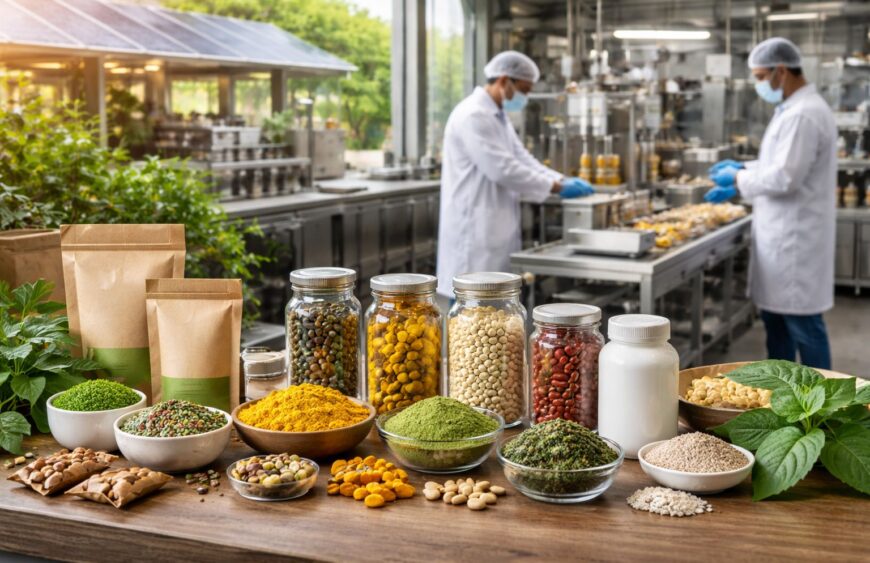
Ayurveda, the ancient Indian system of medicine, offers a rich repository of herbs and spices with potent therapeutic properties. Modern scientific research is increasingly exploring the potential of these “nutraceuticals” as complementary agents in integrative cancer care, focusing on improving patient well-being, mitigating side effects of conventional treatments, and potentially enhancing their efficacy. It is crucial to understand that these natural interventions are intended to complement standard oncology treatments, not replace them.
The Integrative Approach: Bridging Tradition and Science
Conventional cancer treatments like chemotherapy and radiotherapy often come with severe side effects, such as fatigue, nausea, and immunosuppression. This has spurred interest in traditional remedies that offer holistic support. Ayurvedic principles focus on restoring balance, strengthening immunity (Ojas), and detoxifying the body, which aligns well with the goals of supportive cancer care.
The scientific investigation into these ingredients is rapidly expanding, with numerous preclinical studies and a growing number of clinical trials exploring their mechanisms of action, which often involve complex, multi-targeted effects on cancer pathways.
Key Ayurvedic Ingredients and the Science
Here are some extensively studied Ayurvedic ingredients and their roles as potential nutraceuticals in integrative cancer nutrition:
- Turmeric (Curcuma longa): The primary active compound, curcumin, is a well-researched anti-inflammatory and antioxidant agent.
- Mechanism: Curcumin modulates multiple cellular signaling pathways, including NF-κB, STAT3, and PI3K/Akt, to inhibit cancer cell proliferation, induce programmed cell death (apoptosis), and suppress angiogenesis (new blood vessel formation in tumors).
- Clinical Potential: Studies suggest curcumin may enhance the effectiveness of certain chemotherapies (like paclitaxel) and reduce treatment-related toxicities. A common challenge is its poor bioavailability, which can be enhanced by co-administering with black pepper extract (piperine).
- Tulsi (Ocimum sanctum) (Holy Basil): Revered for its adaptogenic (stress-reducing) and immunomodulatory properties, Tulsi contains antioxidants that help protect DNA from damage.
- Mechanism: Preclinical studies have shown its potential in reducing tumor incidence and volume, likely through its potent antioxidant and anti-inflammatory effects.
- Ashwagandha (Withania somnifera): Known as an adaptogen, it helps the body manage stress and fatigue, a common side effect for cancer patients.
- Mechanism: Its active compounds, withanolides, particularly withaferin A, induce apoptosis in cancer cells and interfere with tumor growth pathways. It has shown promise in improving quality of life and reducing fatigue in patients undergoing chemotherapy.
- Amla (Phyllanthus emblica) (Indian Gooseberry): This fruit is a powerhouse of antioxidants, especially vitamin C and phenolic compounds, used in rejuvenating Rasayana therapy.
- Mechanism: Amla extracts exhibit anti-proliferative effects against various cancer cell lines and help protect the liver and other organs from chemotherapy-induced oxidative damage.
- Triphala: A classical Ayurvedic formulation combining three fruits (Amla, Haritaki, and Bibhitaki), it’s used as a digestive tonic and detoxifier.
- Mechanism: Triphala is rich in gallic acid and other polyphenols, offering significant antioxidant, anti-inflammatory, and immunomodulatory effects, and has shown promise as a radioprotective and chemoprotective agent in preclinical studies.
Challenges and Future Directions
Despite promising findings in laboratory and animal studies, challenges remain, primarily in the lack of large-scale, rigorous human clinical trials, standardization of herbal preparations, and understanding potential herb-drug interactions.
Future research is focused on using modern techniques like nanotechnology to improve the bioavailability of compounds like curcumin and employing “network pharmacology” to understand the synergistic effects of multi-herb formulations. The goal is to develop an evidence-based integrative model that combines the strengths of both traditional wisdom and modern oncology, leading to more personalized and effective cancer care.
Disclaimer: This blog post is for informational purposes only and does not constitute medical advice. Always consult with a qualified healthcare professional, such as your oncologist or a certified integrative medicine specialist, before incorporating any new supplements or therapies into your cancer treatment plan.
This is for informational purposes only. For medical advice or diagnosis, consult a professional.